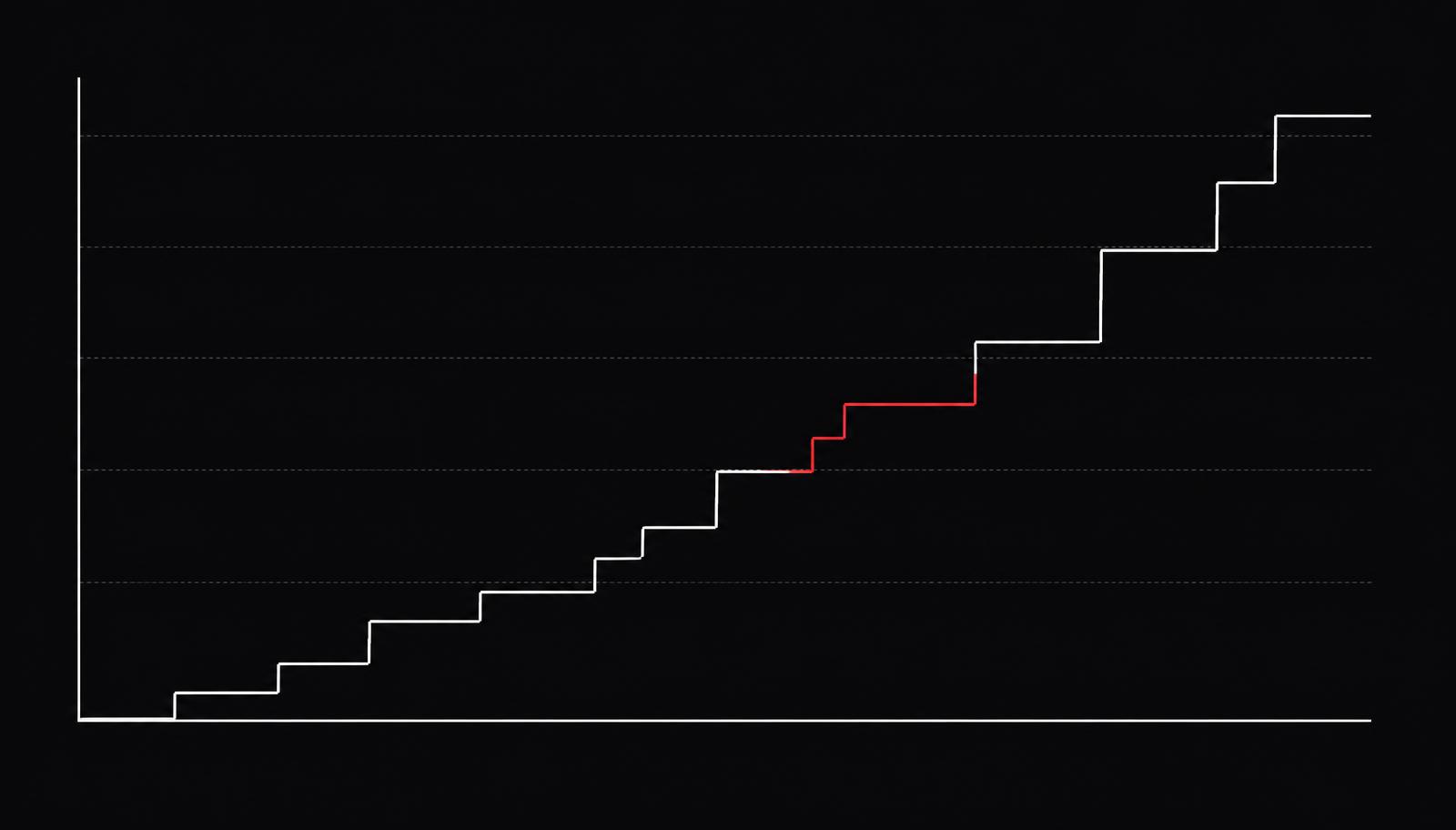
The honest answer is a range so wide it sounds useless at first. A faceless channel can make nothing for eight months and then two thousand a month by month fourteen. Another one with the same view count makes two hundred. Both are normal. The difference is almost never effort, it is what topic the views came from.
So instead of quoting an average, this breaks down the actual math. What views are worth, what changes their value by a factor of ten, and what a channel realistically earns at each stage.
The One Number That Decides Everything
Ad income is measured in RPM, which is what you keep per one thousand views after the platform takes its share. Advertisers bid far more to reach some viewers than others, so RPM is not a small variation. It is the whole game.
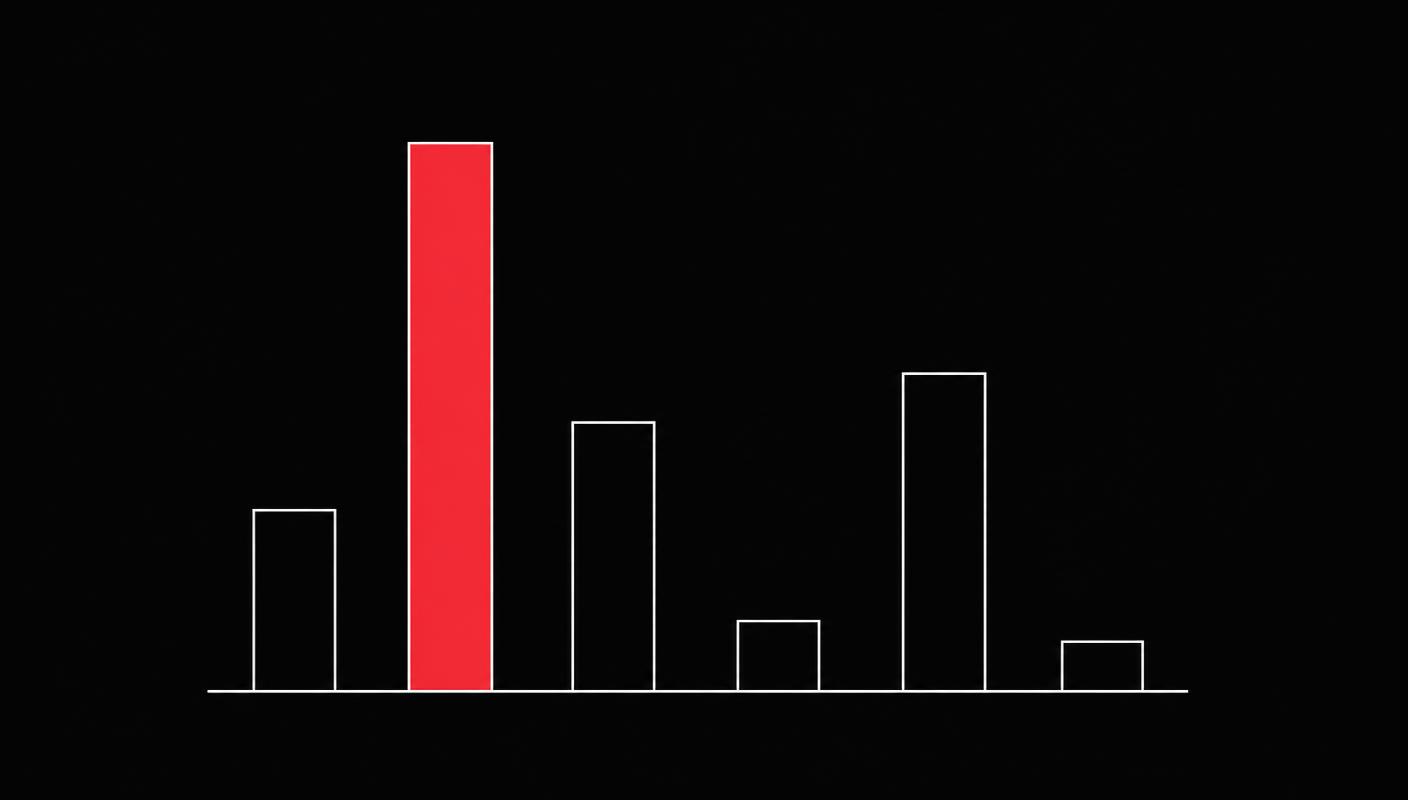
Typical ranges creators report in 2026, in USD, for long form content watched mostly in the US, UK, Canada, and Australia:
- Entertainment, compilations, reaction style content. 0.50 to 2.00
- Gaming. 1.50 to 4.00
- General education and how to. 3.00 to 8.00
- Tech, software, and tools. 6.00 to 14.00
- Personal finance, insurance, legal, business. 10.00 to 30.00 and occasionally higher
Same effort. Same thumbnail quality. Same upload schedule. Fifteen times the income. This is why the niche conversation matters more than the production conversation, and why I put real weight on it in 200 YouTube automation niches to try in 2026.
Audience country matters almost as much. A video watched mainly in the US can earn four to eight times what the identical video earns when the audience is in a low advertising rate market. You do not choose this directly, you choose it indirectly through language, topic, and framing.
What Channels Actually Make At Each Stage
Assume long form content, monetised, with a realistic mid range RPM for the niche. These are monthly ad figures only.
- 10,000 views a month. Entertainment: 5 to 20. Education: 30 to 80. Finance: 100 to 300.
- 50,000 views a month. Entertainment: 25 to 100. Education: 150 to 400. Finance: 500 to 1,500.
- 100,000 views a month. Entertainment: 50 to 200. Education: 300 to 800. Finance: 1,000 to 3,000.
- 500,000 views a month. Entertainment: 250 to 1,000. Education: 1,500 to 4,000. Finance: 5,000 to 15,000.
- 1,000,000 views a month. Entertainment: 500 to 2,000. Education: 3,000 to 8,000. Finance: 10,000 to 30,000.
Two things people get wrong reading a table like this. First, the entertainment row is where most beginners land, because those topics are the easiest to make content about. Second, one million views a month is a large channel, and most people quit long before it, which is why the small numbers in the top rows matter more than the big numbers at the bottom.
Shorts are a separate and much weaker economy. Shorts RPM commonly sits between 0.03 and 0.15, so a million Shorts views is often thirty to one hundred and fifty dollars. Shorts are a distribution tool, not an income stream. If you want the math on that specifically, the Shorts calculator on this site does it instantly.
Ad Income Is Usually The Smallest Part
Established faceless channels rarely live on ads. Ads are the floor, not the ceiling.
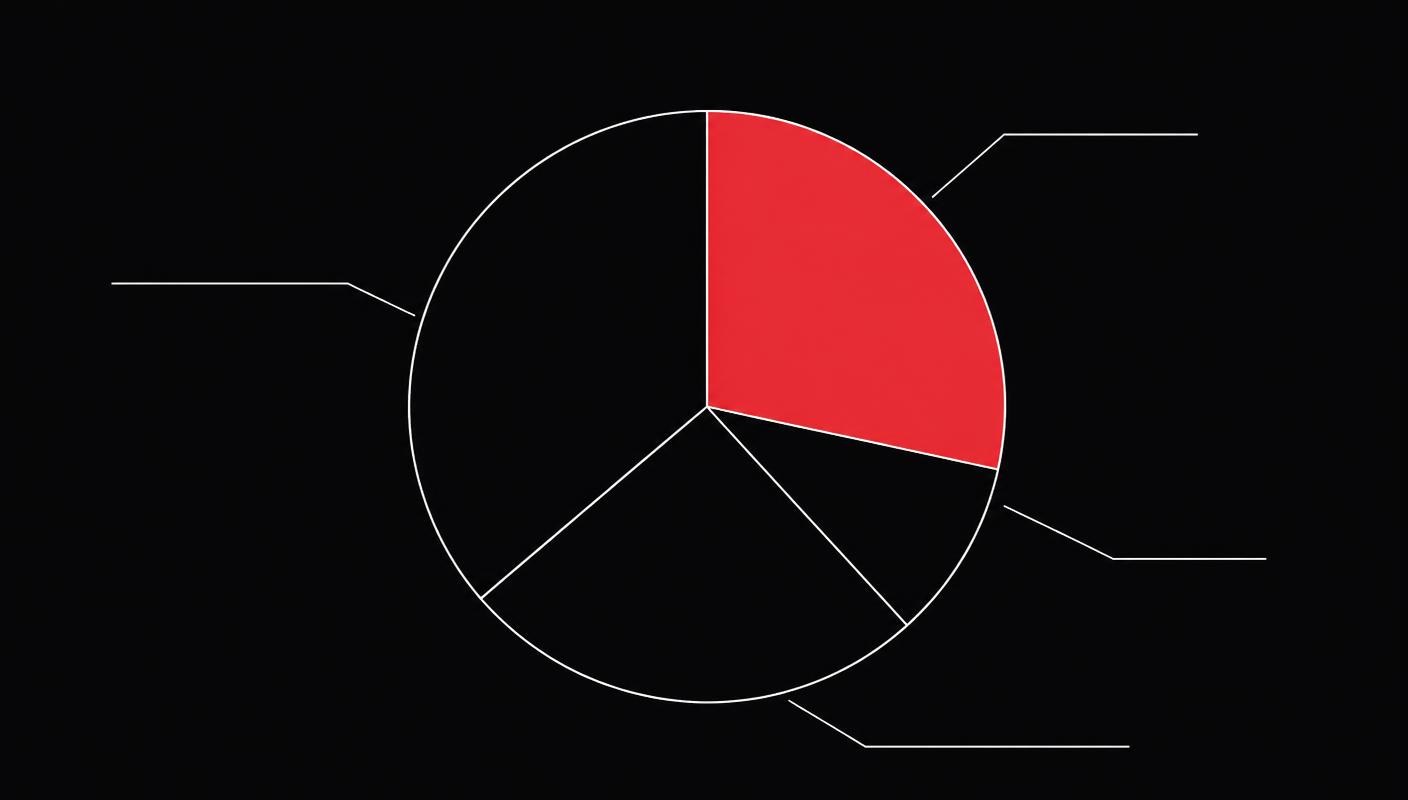
- Ads. Predictable once the library is large, low per view, requires no selling.
- Sponsors. Typically 15 to 50 per thousand views on a niche channel with a defined audience, negotiated per deal. Work out your own number with the sponsorship calculator.
- Products. A template, a tool, a course, a service. Highest margin, highest effort, entirely dependent on audience intent.
- Channel value. Channels sell. Typical multiples land around 20 to 40 times monthly profit for clean, stable, monetised assets, which I covered in can you sell a YouTube channel.
That last one is the part almost nobody prices in. A channel earning 1,500 a month is not a 1,500 a month job, it is roughly a 30,000 to 60,000 asset that also pays you monthly while you own it.
The Real Costs
Gross numbers mean nothing without the deduction side. A typical outsourced faceless video in 2026 costs:
- Scripting: 20 to 80 per video
- Voice: 0 to 30 per video depending on whether it is synthetic or human
- Editing: 30 to 150 per video
- Stock footage and tools: 30 to 100 per month total
- Thumbnails: 5 to 40 per video
At eight videos a month with mid range help, that is roughly 500 to 2,000 in monthly cost. A channel doing 100,000 views a month in a low value niche is losing money. The same view count in a high value niche clears three to five times its costs. This single comparison is why niche selection is not a preference, it is the business model.
The Timeline Nobody Advertises
Ad income does not start until you pass the monetisation threshold, which currently means 1,000 subscribers plus 4,000 watch hours in twelve months, or 1,000 subscribers plus 10 million Shorts views in ninety days. Full requirements are on the YouTube Partner Programme page.
Realistic pattern for a consistently published faceless channel targeting durable topics:
- Months 1 to 3. Almost nothing. You are building inventory and learning packaging.
- Months 4 to 7. Monetisation typically becomes reachable. First payouts are usually double digits.
- Months 8 to 14. Compounding starts. Older videos keep earning while new ones add on top.
- Months 15 and beyond. The library carries the channel. This is where the income stops feeling like a job.
That compounding curve is the whole reason durable topics beat trend chasing. A trend video earns for nine days. A durable video earns for years. I wrote about the earnings timeline in more detail in when do you start earning money on YouTube.
Two channels with identical view counts can differ by twenty times in income. Nobody who quotes an average is telling you the useful part.
Honest Failure Rates
Most faceless channels make almost nothing, and the reasons repeat. Wrong topic value. Publishing stopped before month six. Content that nobody was actively looking for. No packaging discipline. The model works, the execution is where it fails, which is the same conclusion I reached in is YouTube automation legit.
If you want a fast estimate for your own channel rather than a table, the engagement rate calculator and the sponsorship calculator on this site will get you closer than any average online will.
The short version. A faceless channel in a low value niche making 100,000 views a month earns beer money. The same channel in a high value niche earns a salary and can be sold for the price of a car. Choose accordingly.
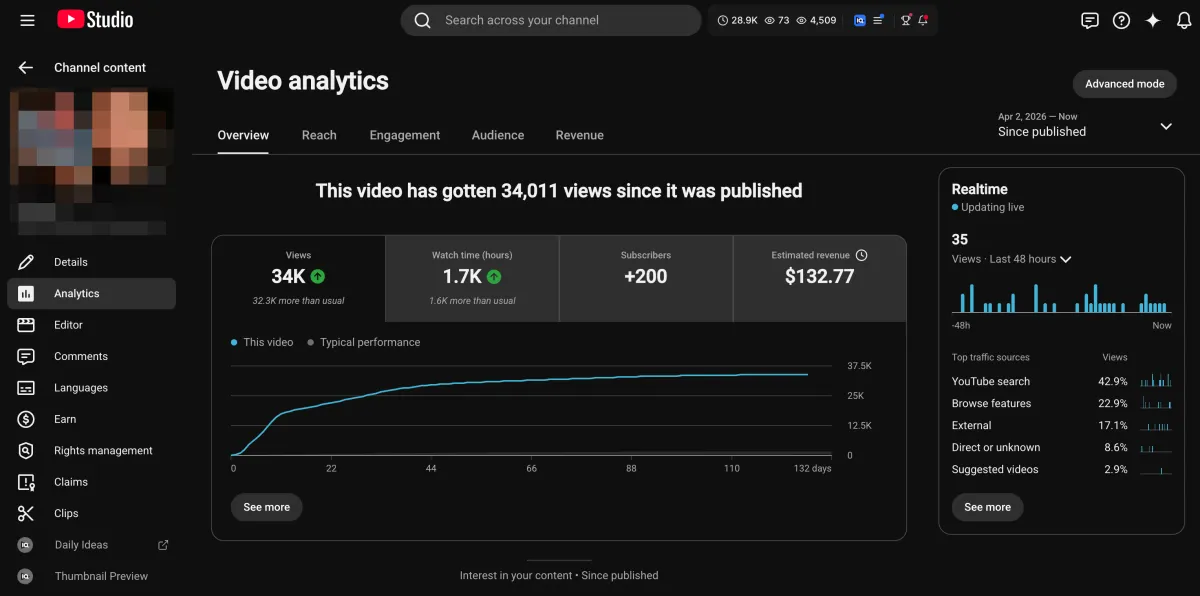
Learn how I turned a $132.77 video into $1000+ per month asset
Full case study on how you can replicate my success with YouTube SEO strategy.
Free downloadThe Zero Audience System
Build permanent YouTube income without a camera or an audience
The full methodology, 31 lessons plus bonuses. Limited spots.